Locking Carbon Away
When plants grow, they absorb carbon dioxide (CO₂) from the atmosphere. Normally, when those plants decay or are burned, that carbon is released back into the air.
Biochar interrupts that cycle.
Instead of returning to the atmosphere, the carbon is captured and stored in a stable, solid form. When biochar is added to soil, that carbon can remain locked away for years—often decades or longer—helping to reduce the overall amount of CO₂ in the atmosphere.
A More Thoughtful Use of Waste
Biochar is often made from materials that would otherwise be discarded—offcuts, trimmings, or agricultural waste. In many cases, this waste might be burned or left to decompose, both of which release greenhouse gases.
By turning these materials into biochar instead, we’re not only reducing emissions but also creating something useful in the process.
Supporting Healthier Soils
Biochar doesn’t just store carbon—it also improves the soil it’s added to.
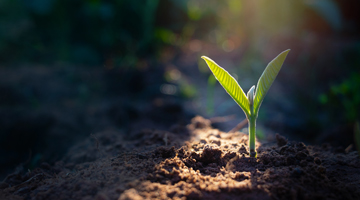
Its porous structure helps retain water and nutrients, creating better conditions for plant growth. Healthier plants can absorb more CO₂, which means biochar contributes indirectly to carbon reduction as well.
It’s a small but meaningful cycle: stronger soil, healthier plants, more carbon drawn down from the atmosphere.
Low-Emission Production
When produced carefully, biochar can be made with relatively low emissions. Controlled processes reduce smoke and prevent unnecessary release of gases, making it a more responsible alternative to open burning.
For small-scale producers especially, this hands-on approach allows for careful monitoring and continuous improvement.
A Simple, Lasting Impact
Biochar isn’t a high-tech or complicated solution. It’s based on natural processes that have been used in different parts of the world for generations.
What makes it powerful is its longevity. Once created and applied, it continues to work quietly—storing carbon, supporting soil, and reducing the need for more intensive inputs.
Small Steps, Real Change
No single solution will solve climate change on its own. But biochar offers a practical, accessible way to make a difference.
By turning waste into something stable and beneficial, it helps shift the balance—locking carbon away instead of releasing it, and supporting natural systems rather than working against them.
For a small, family-run approach like ours, it’s about doing what we can, carefully and consistently. And trusting that those small steps, over time, can add up to something meaningful.